Brand Story
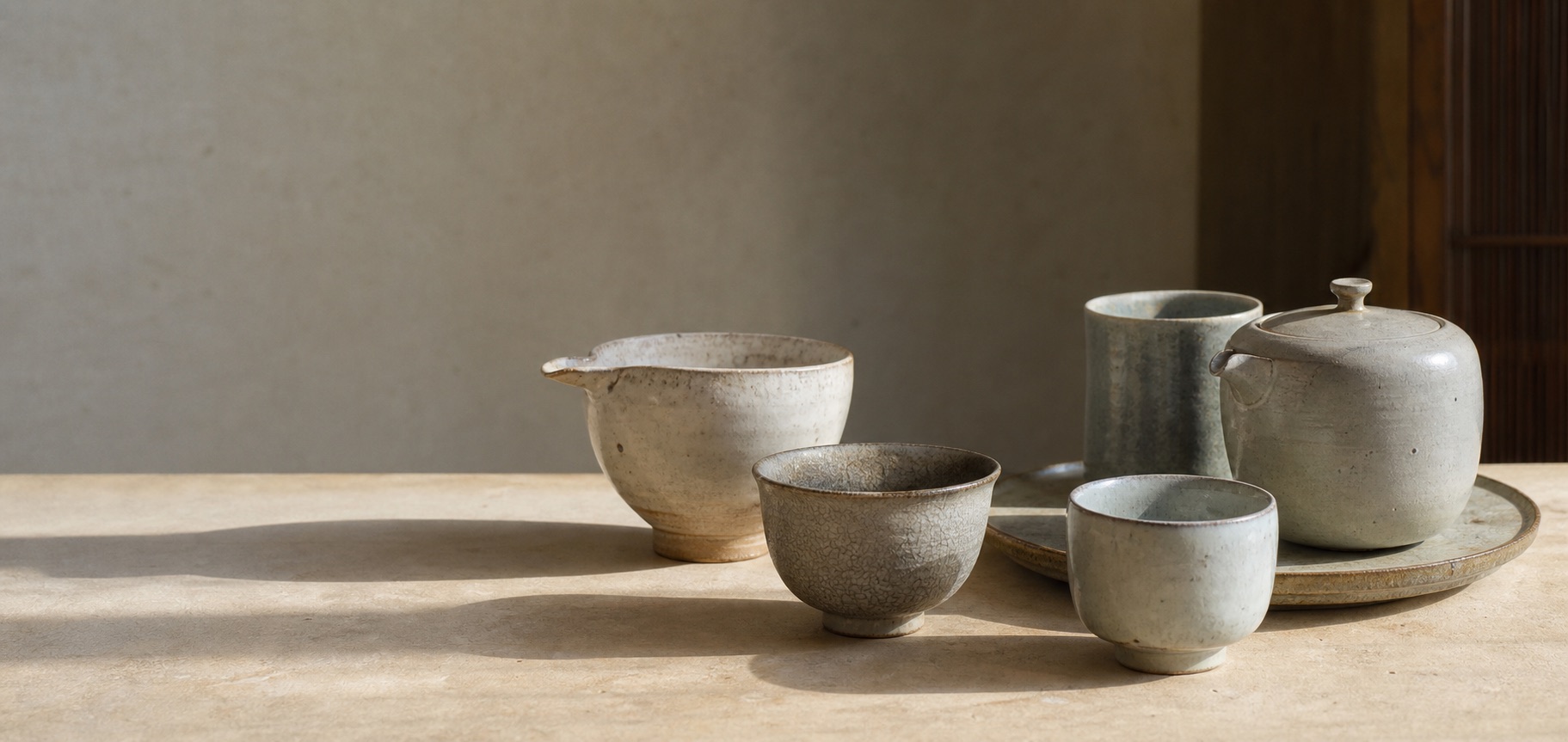
Chinese ceramic vessels, chosen for how they are used.
HalkilnLeaf selects cups, teapots, warmers, and table pieces by material, surface, and daily ritual.

The Workshop
Use, surface, clay body.
The public collection is small on purpose. Each series has to earn its place by use: a tea cup should fit a pour, a table piece should hold food comfortably, and a warmer should make slow tea feel natural instead of decorative.
Some products have specific origin data. Some only have material and supplier information. We separate those cases in the copy, because buyer trust depends on what can be verified.
Selection rule
Use first. Claims only where verified.
The Starting Point
HalkilnLeaf began with a simple problem: many ceramic pieces online look beautiful, but it is hard to tell what they are for, where they fit in a home, or whether the material claims can be trusted.
We organize the store around use first: tea, coffee, table, warm tea, and travel. The series names carry the mood, but the buyer starts with the moment in which the object will be used.
Surface record
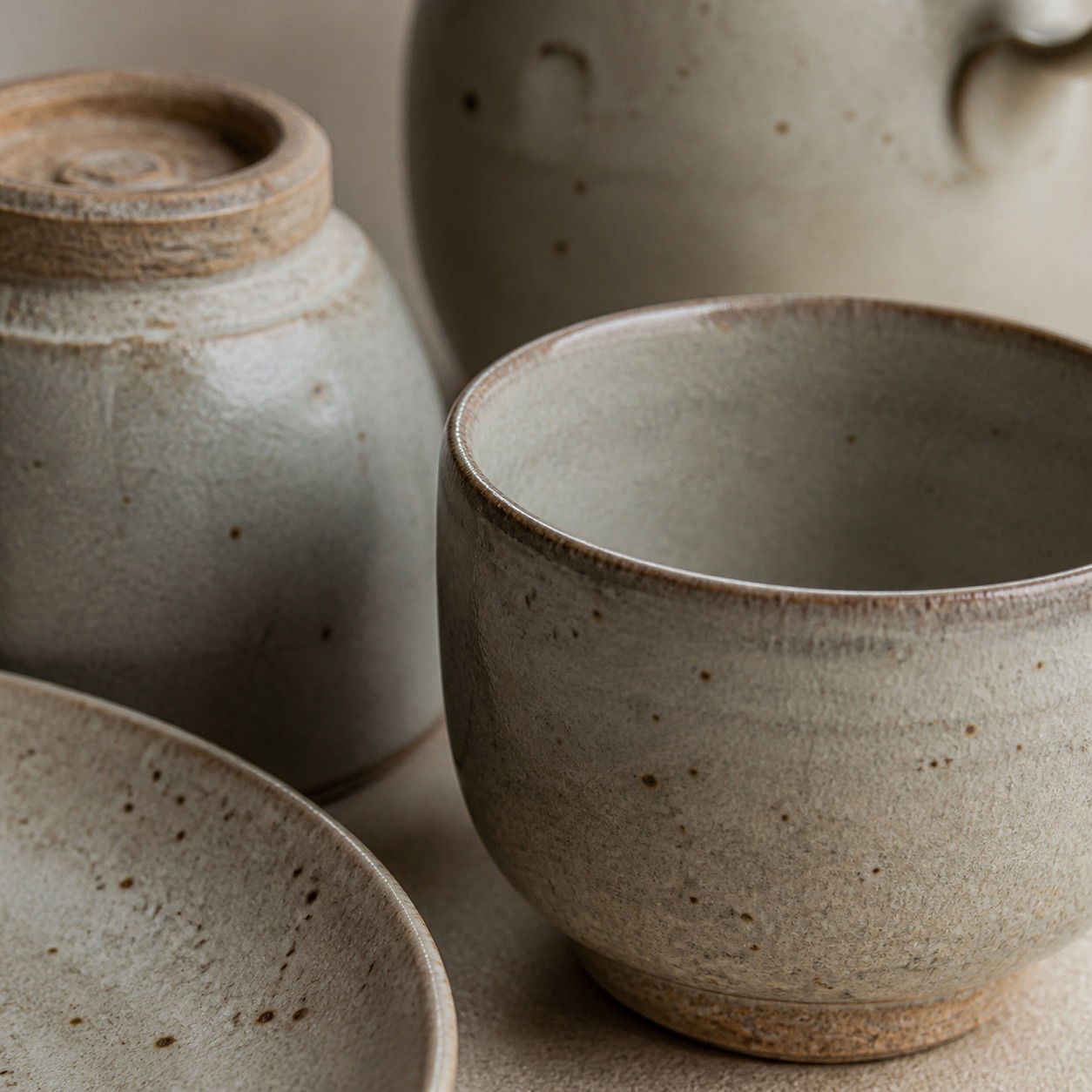
Glaze, clay body, and visible firing marks are treated as product information.
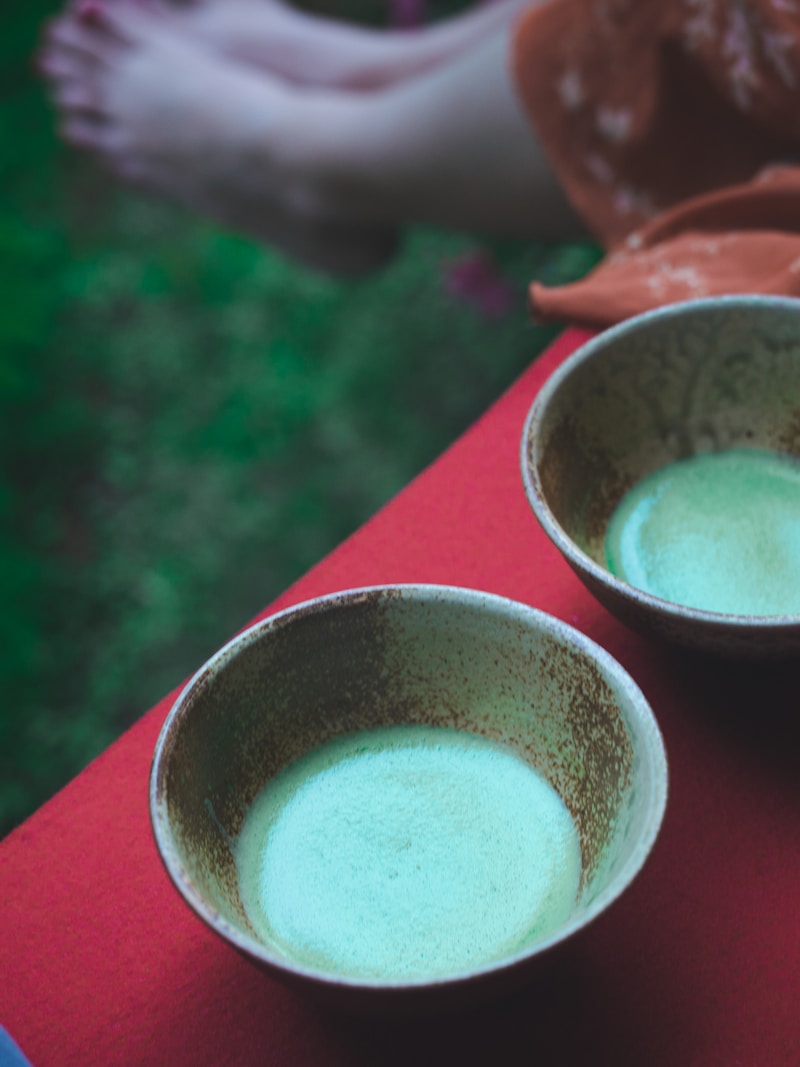
Daily scale
Capacity, lip, weight, and table presence matter more than a poetic label.
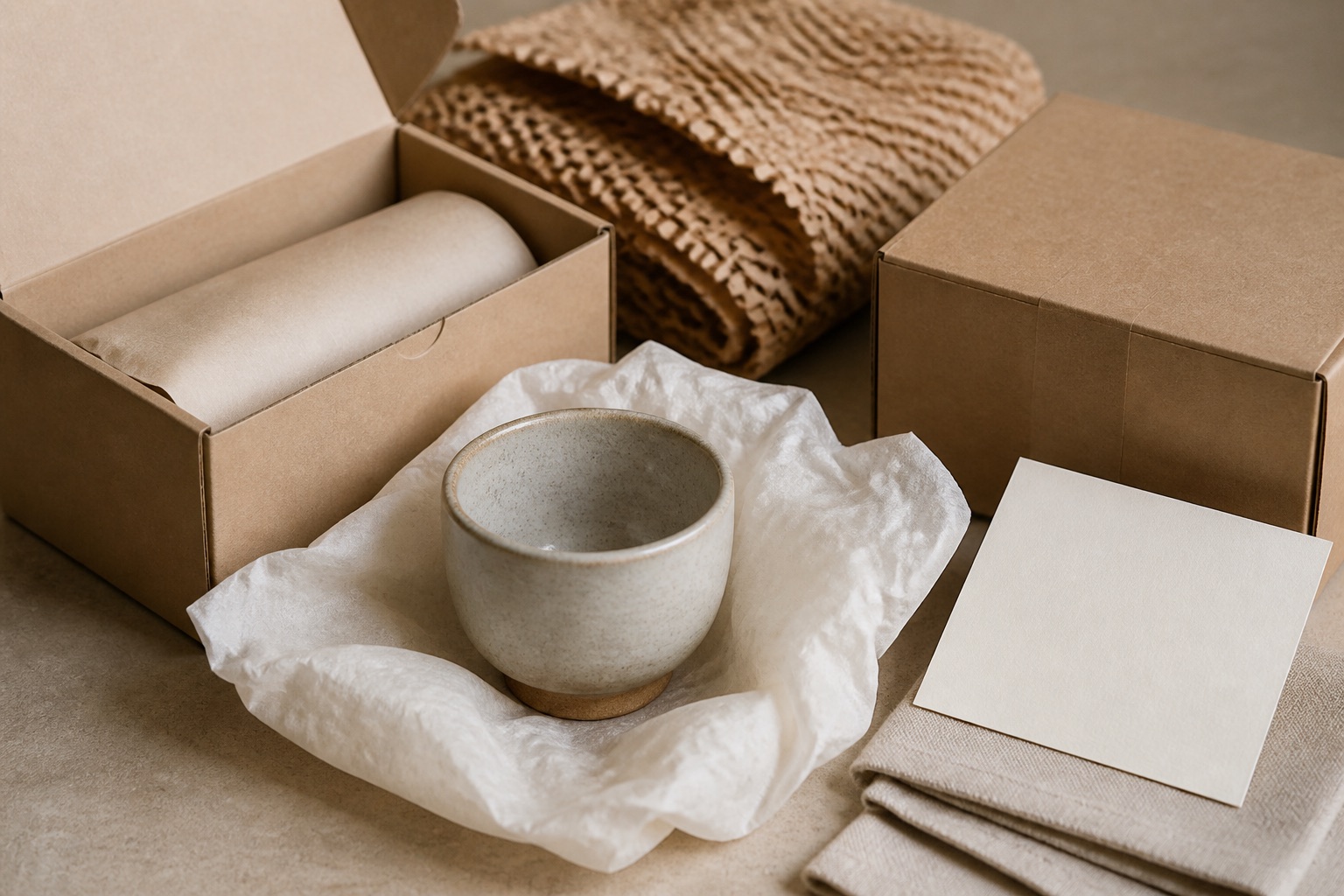
Before payment
Stock, packing, and delivery are confirmed before the buyer is asked to pay.
Material Before Myth
Chinese ceramics can carry a great deal of history, but a product page should not hide behind grand language. A cup still has to tell you its material, capacity, origin when known, and how it feels in daily use.
Some pieces are porcelain. Some are rough stoneware. Some come from Dehua or Jingdezhen; others are listed more carefully as Chinese ceramic when the exact origin is not verified. We would rather be plain than overclaim.
A quiet, accurate line is better than a grand claim the object cannot prove.
Series, Not Categories
The collection is divided into small series: Song Blue, Pure White, Slow Ember, Earth Form, Table & Grain, and Go with Tea. They are not rigid catalog categories. They are ways to read the objects.
Song Blue holds blue-and-white and pale glazed tea pieces. Pure White is quiet daily porcelain. Earth Form keeps the rougher clay bodies. Slow Ember is for teapots and warm tea. Table & Grain belongs to the dining table. Go with Tea is for leaving the house with a small ritual intact.
Start with the use. Then choose the surface, clay body, and form.
Objects That Work
A good ceramic piece should not only look good in a photograph. It should make sense in the hand, on the table, beside a kettle, or at a desk. Capacity, lip, weight, glaze, and foot all matter.
That is why the site keeps practical information close to the product: price, capacity where available, material, origin, and the fact that stock, packing, and delivery are confirmed before payment.
Gift Without Guesswork
Ceramics make good gifts because they are useful and personal at the same time. They also create anxiety: Will it arrive safely? Is the size right? Is the piece actually available? Is the origin claim reliable?
HalkilnLeaf answers those questions before payment. For now, the store is inquiry-first. We confirm stock, packing, delivery, and product details through WhatsApp or email before asking the buyer to pay.
Why This Exists
There are many places to buy cheap ceramic pieces. There are fewer places that help a buyer understand why a piece belongs in a tea habit, a coffee routine, a dining table, or a gift.
This is what HalkilnLeaf is for: a smaller, clearer way to choose Chinese ceramic vessels without turning them into generic marketplace listings or decorative museum copy.
The collection is available now.
Choose by use first, then by surface, clay body, and form.